
Hiroshima
AI and digital transformation support for Hiroshima's small and mid-sized companies.
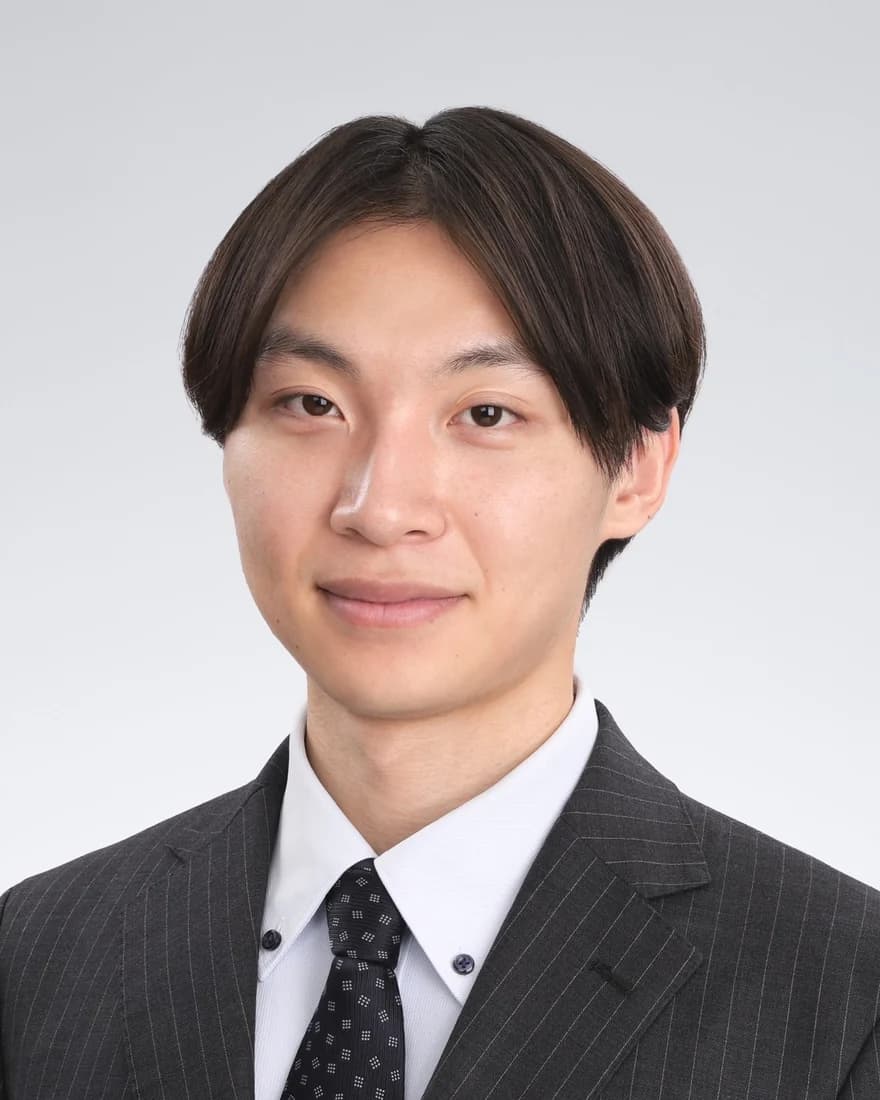
Our Hiroshima-born CEO supports AI adoption, business improvement and systems implementation for Hiroshima SMEs, from conversations with leadership through to adoption on the front line.
HometownWhy Hiroshima
More companies in Hiroshima where people can take on real challenges.
Every time I went home, friends and business owners told me the same thing: young people keep leaving the prefecture, and even those who grow up here end up at companies in Tokyo or Osaka. Hiroshima is one of the prefectures where many young people move away.
I am one of them. I left Hiroshima to work in the city. Gaining experience in a big city is not a mistake. But when people want to come back, there are few local companies where they can use that experience to take on something new. I came to believe that is the real problem.
Hiroshima has many companies with world-class skills and long histories, in shipbuilding, auto parts, sake brewing and more. I want to bring what I learned in enterprise transformation and AI implementation to them, at a size they can use. When companies grow stronger, working in Hiroshima, or coming back to take on a challenge, becomes a natural choice.
AreaWhere we work
All of Hiroshima Prefecture.
We work with companies across the prefecture, including Hiroshima, Fukuyama, Kure, Higashihiroshima, Onomichi, Mihara, Hatsukaichi and Miyoshi, on-site or online.
We also take on requests from companies outside Hiroshima, anywhere in Japan, on-site or online.Coverage areas
- MiyoshiFarming, tourism
- HigashihiroshimaSake, R&D
- HiroshimaAutomotive, services
- HatsukaichiTourism (Miyajima)
- KureShipbuilding, steel
- MiharaManufacturing, logistics
- OnomichiShipbuilding, tourism
- FukuyamaManufacturing, textiles
IndustriesHiroshima's industries and AI
AI that fits Hiroshima's industries.
Shipbuilding & marine
Hiroshima's signature industry, concentrated along the coast in Kure, Onomichi and Fukuyama.
- Searching drawings and specifications (internal RAG)
- Drafting work records and reports
- Passing on experts' know-how
Auto parts
Parts makers that support supply chains across the prefecture.
- Analyzing inspection records and defect trends
- Help drafting quotes
- Handling order and delivery-date inquiries
Machining & metalworking
Highly skilled shops running high-mix, low-volume production.
- Making production plans and progress visible
- Automating spreadsheet work
- Organizing technical documents
Sake & food
Sake-brewing towns such as Saijo, plus oysters, citrus and other local food.
- Product descriptions in multiple languages
- Running e-commerce and social media more efficiently
- One view of inventory and shipping
Tourism, hospitality & services
Destinations such as Miyajima and the Shimanami Kaido that draw visitors from Japan and abroad.
- First-line handling of bookings and inquiries
- Guidance in multiple languages
- Analyzing reviews and data
Companies in industries not listed here are welcome too.
ServicesWhat we do
Think, find, build. From strategy to working software, with one team.
 01Think
Executive AI Advisory
An AI advisor at the CEO's side
Executive AI Advisory is a monthly retainer for owners and executives of small and mid-sized Japanese companies. We help leadership decide where AI fits in their business, set priorities, and move from ideas to working prototypes.
Learn more 02Find
AI Readiness Assessment
Understand the work before choosing the AI
The AI Readiness Assessment is a workflow audit before any tool is chosen. We interview leadership and frontline staff, map how work actually flows, find the bottlenecks, and rank improvement opportunities by impact and difficulty.
Learn more 03Build
AI Implementation
From plan to software people actually use
AI Implementation is hands-on build and rollout. We build and roll out the solutions identified in discovery, such as generative AI tools, internal knowledge search (RAG), AI agents and workflow automation, in 1–2 week cycles, keeping your existing tools and people at the center.
Learn more
ApproachHow we work
Small wins first, then scale.
No year-long master plans. We work in 1–2 week cycles: build, use, improve, and scale only what proves itself.
- 01
Know
Understand the business
Talk with leadership and frontline staff to see how work really flows.
- 02
Find
Pick what to change
Choose themes with high impact that are easy to start.
- 03
Build
Build small and fast
Ship the smallest useful version first.
- 04
Use
Put it to work
Use it in daily operations and learn quickly.
- 05
Improve
Improve
Refine based on what users actually say.
- 06
Scale
Scale across the company
Roll out what works to other teams.
InsightsGuides
Guides for companies in Hiroshima
- GuideAI TransformationAI Adoption for Japanese SMEs: The 2026 Guide — Where to Start, Costs, Subsidies, Rules and Who to AskAbout one in five Japanese SMEs (20.4%) has adopted AI, and 82.6% of those use generative AI, mostly to cut working time [1]. The biggest barriers are missing case studies and vendor information, not technology [1]. Start by mapping how time is actually spent, pick one repeatable task a person can check, run a small trial, write a one-page rule set, then scale. Part of the cost may be covered by the Digitalization & AI Adoption Subsidy 2026 (50% rate, up to ¥4.5M in the standard track); the next deadline is 30 October 2026, 17:00 JST [3][4]. Free advice is available at Yorozu Support Centers, which now have AI advisers [8].Read
- GuideRegional JapanBusiness Handover in Japanese SMEs: How to Keep Work Running Through Retirements, Transfers and SuccessionA business handover passes the day-to-day procedures, judgment calls and relationships of a role to a successor. It differs from business succession (transferring ownership and management), but overlaps with it through “intellectual assets” such as skills and customer ties [1]. In Japan, 44.2% of establishments report problems with skills transfer, rising to 65.8% in manufacturing [2]. Because an open-ended employee can leave two weeks after giving notice [3], the preparation has to happen in normal times: keep a task inventory, name a second person for critical work, store files in shared locations, and write procedures together with the judgment behind them.Read
- AI TransformationWhat Is AX (AI Transformation)? A Practical Definition for Japanese SMEsAX (AI transformation) is the redesign of business processes on the assumption that AI can draft, analyze and assist with decisions. DX digitizes existing work. AX changes which work people do at all, freeing time for judgment, relationships and new business.Read
- Regional JapanJapan's Labor Shortage and AI: How Regional Companies Can AdaptRegional Japanese companies can offset hiring difficulties by using AI for repeatable, text- and data-heavy work, such as inquiries, reporting, data entry and internal knowledge search, and by rolling it out one workflow at a time with frontline staff involved from day one.Read
- PartneringPartnering with Regional Japanese Companies: A Guide for International BusinessesSuccessful partnerships with regional Japanese companies rest on trust built over time, patient consensus-based decision-making, and practical support for the partner's operations. Many of these businesses are highly skilled but under-digitized, so helping them modernize workflows is often the fastest way to create shared value.Read
FAQ
Questions from companies in Hiroshima
Can we meet in person or online?
Both. We can visit your company or meet online, whichever suits you. If you want us to see your work on site, just let us know.
Which industries do you work with?
We do not limit industries. We are especially strong with companies where a lot of work still runs through people: manufacturing such as shipbuilding, auto parts and metalworking, sake and food, tourism and hospitality, healthcare, construction and services.
We have no one in-house who knows IT or AI.
That is fine. Companies without IT or AI specialists are our main clients. We start by listening to leadership's concerns and the problems on the front line.
How much does it cost?
Executive AI Advisory (monthly advisory for leaders) is typically ¥100,000–¥250,000 per month. Assessments and implementation are quoted individually based on scope and scale.
Contact
Tell us about your business. We will suggest a realistic first step.
Not sure where AI fits yet? That is the best time to talk. We will help you sort out priorities, whether you are a regional Japanese company or an international partner.